

Williams Fast Lube
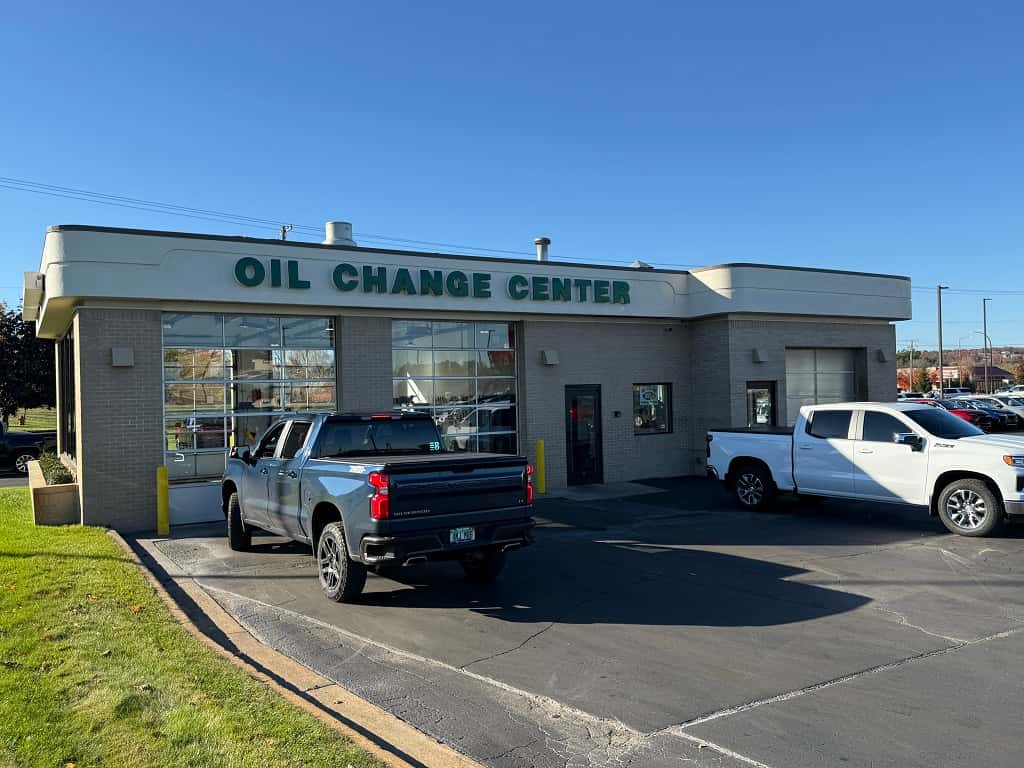
At Williams Fast Lube, we offer freaky fast Oil Changes, Oil Filters, Tire Rotations, Tire Swaps, New Tires, Brakes, Coolant Exchanges, Transmission Flushes, Differential Fluids, Wiper Blades, Light Bulbs and so much more. Not sure what to do, bring it on by and we’ll guide you. We may be able to make a quick fix or there may be something that our Williams Chevrolet, Williams Honda or Williams Kia service shops can help with.
Senior Oil Change Discount Near Me
$10 Senior Oil Change Discount Near Me
On Wednesdays, Williams Fast Lube offers $10 off an Oil Change to seniors.
Regular oil changes are widely considered the most important maintenance task for extending your vehicle’s lifespan. Motor oil serves as the engine’s “lifeblood,” providing critical lubrication, cooling, and cleaning.
Key Benefits of Regular Oil Changes
-
Extends Engine Life: Fresh oil prevents friction-induced wear and tear on moving parts like pistons and valves, which can otherwise lead to total engine failure.
-
Improves Fuel Efficiency: Clean oil reduces engine drag. According to the U.S. Department of Energy, using the correct oil and changing it regularly can improve gas mileage by up to 2%.
-
Prevents Sludge and Contaminants: Over time, oil collects dirt, metal particles, and combustion byproducts that form a thick “sludge”. This sludge can clog oil passages and starve the engine of lubrication.
-
Regulates Engine Temperature: While coolant handles most of the cooling, oil absorbs heat from components that the coolant can’t reach. Old, thick oil is less effective at dissipating this heat.
-
Protects Manufacturer Warranty: Many manufacturers require proof of regular maintenance, including oil changes, to honor warranty claims for engine repairs.
-
Reduces Harmful Emissions: Fresh oil is less likely to burn and release hazardous hydrocarbons, helping you pass emissions tests more easily.
When to Change Your Oil
-
Check the Manual: Modern cars often have intervals of 7,500 to 10,000 miles or 6 to 12 months. Always follow your specific owner’s manual rather than outdated “3,000-mile” rules.
-
Severe Conditions: You may need more frequent changes if you frequently drive in extreme heat/cold, tow heavy loads, or primarily make short trips (under 5–10 miles) where the engine never fully warms up.
-
Oil Level Monitoring: Check your oil level at least once a month. If it is consistently low, your engine may be burning or leaking oil.
Warning Signs: If your oil appears milky (potential coolant leak) or contains metal particles, seek a professional diagnosis immediately as these indicate serious internal damage.
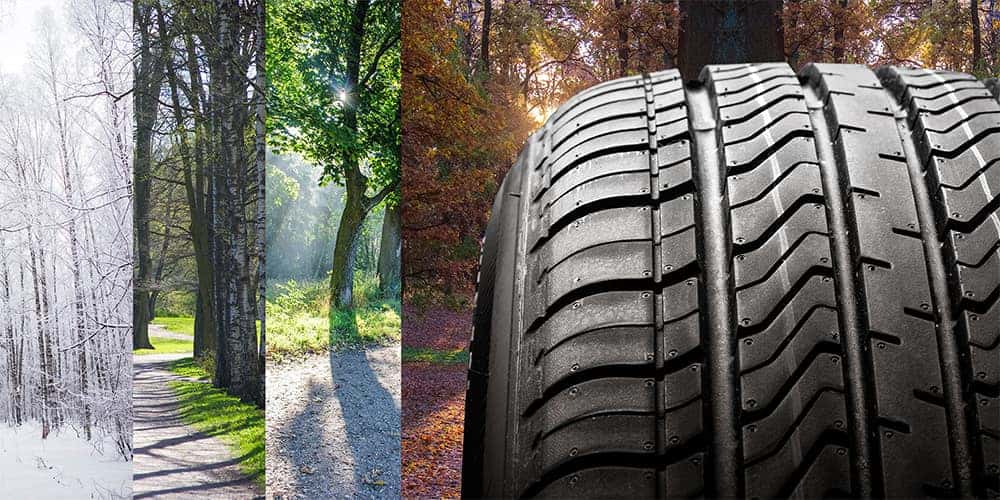
Regular tire rotation is critical for ensuring your tires wear evenly. which directly impacts your vehicle’s safety, efficiency, and maintenance costs. Tires in different positions experience varying stresses—for example, front tires often wear faster due to steering, braking, and the weight of the engine.
Key Benefits of Regular Tire Rotations
-
Extends Tire Lifespan: Rotating tires spreads the wear across all four wheels, preventing any single tire from wearing down prematurely. This can extend a tire set’s life by 20–30%, potentially delaying replacement by up to 15,000 miles.
-
Enhances Safety and Traction: Even tread depth across all tires provides consistent grip and stable handling. This reduces the risk of hydroplaning in wet conditions and shortens braking distances by up to 15%.
-
Improves Fuel Efficiency: Unevenly worn tires create higher rolling resistance, forcing the engine to work harder. Keeping tires evenly worn can improve gas mileage by 3–4%.
-
Reduces Mechanical Strain: Regular rotations minimize vibrations and uneven stress on suspension components, axles, and wheel bearings.
-
Protects Your Warranty: Many tire manufacturers require proof of regular rotations to keep the treadwear warranty valid.
Recommended Tire Rotation Schedule
-
Standard Interval: Most experts and manufacturers recommend rotating tires every 5,000 to 8,000 miles, which often aligns with your oil change schedule.
-
AWD/4WD Vehicles: These vehicles may require more frequent rotations (every 3,000 to 5,000 miles) because even slight differences in tread depth can strain the complex drivetrain.
-
New Tires: It is particularly important to rotate new tires for the first time by 5,000 miles, as deep, fresh tread is highly susceptible to early uneven wear.
Warning Signs: If you feel vibrations in the steering wheel, hear increased road noise, or notice your vehicle pulling to one side, it may be a sign that your tires are already wearing unevenly and need immediate attention.
Stay safe. Stay in control. Be ready all year long at Williams Chevrolet, Williams Honda, Williams Kia and Williams Fast Lube.