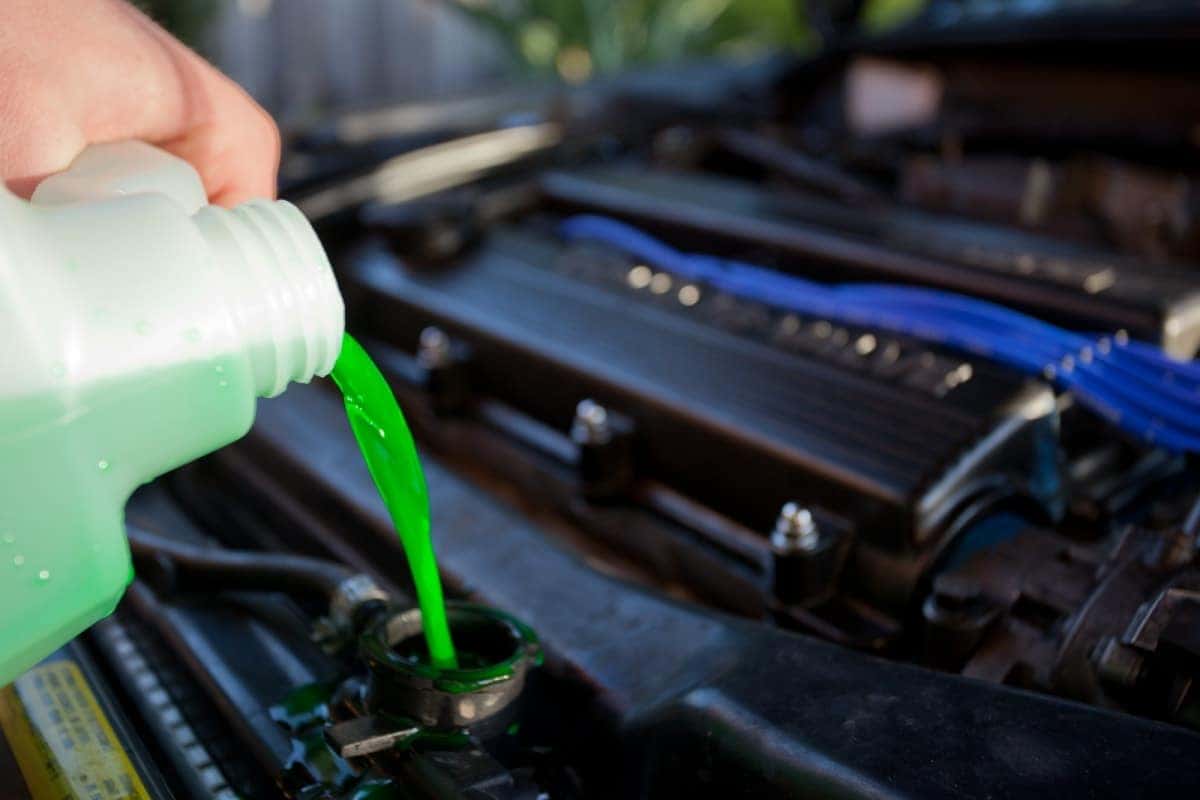
Proper automotive coolant exchange is crucial for temperature regulation (preventing overheating/freezing), corrosion protection, and lubricating water pump seals, with fresh fluid preventing rust, scale buildup, and additive breakdown that leads to costly engine damage like radiator clogs, heater core failure, and component wear, extending the engine’s life. Neglecting it can cause severe, expensive repairs, making regular exchanges (per owner’s manual) essential maintenance.
Key Benefits of Coolant Exchange:
Optimal Temperature Control: Prevents engine overheating in summer and freezing in winter, maintaining ideal operating temperatures.
Corrosion & Rust Prevention: Fresh coolant contains inhibitors that stop rust and corrosion from forming on internal engine parts (radiator, water pump, heater core).
Lubrication: Protects the water pump and seals from premature wear as lubricating additives degrade over time.
System Health Inspection: Allows technicians to check hoses, seals, and other components for wear, catching small issues before they become major failures.
Prevents Buildup: Removes contaminants, dirt, and scale that can clog the radiator and reduce heat transfer efficiency.
Coolant Exchange Near Me
Risks of Neglect:
Overheating & Damage: Reduced cooling efficiency leads to severe engine damage.
Corrosion: Acidic old coolant attacks metal, leading to leaks and component failure.
Water Pump Failure: Lack of lubrication can destroy the water pump and its seals.
Costly Repairs: Can result in expensive radiator replacements, head gasket issues, or even engine rebuilds.
When to Exchange:
Follow your vehicle’s owner’s manual for specific intervals, often every 30,000 miles or every couple of years, though modern coolants can last longer.